If you have a c-section coming up, you probably have questions, and maybe a few nerves. I'm a
birth photographer in Tulsa, which means I've stood in the corner of the room for more
c-section births than I can count. I want to walk you through what a scheduled c-section really
looks like, from the moment you arrive to the moment you're snuggling your baby, using a
recent birth I was lucky enough to photograph.
A C-Section Is a Birth, Just Like Any Other
First, a quick note on words. I never call a c-section an "operation," "surgery," or a "procedure,"
even though medically it is all of those things. Most moms don't plan on a cesarean, and it can
already feel intimidating and scary. There's no need to pile on harder words. A cesarean is a
birth, just like any other.
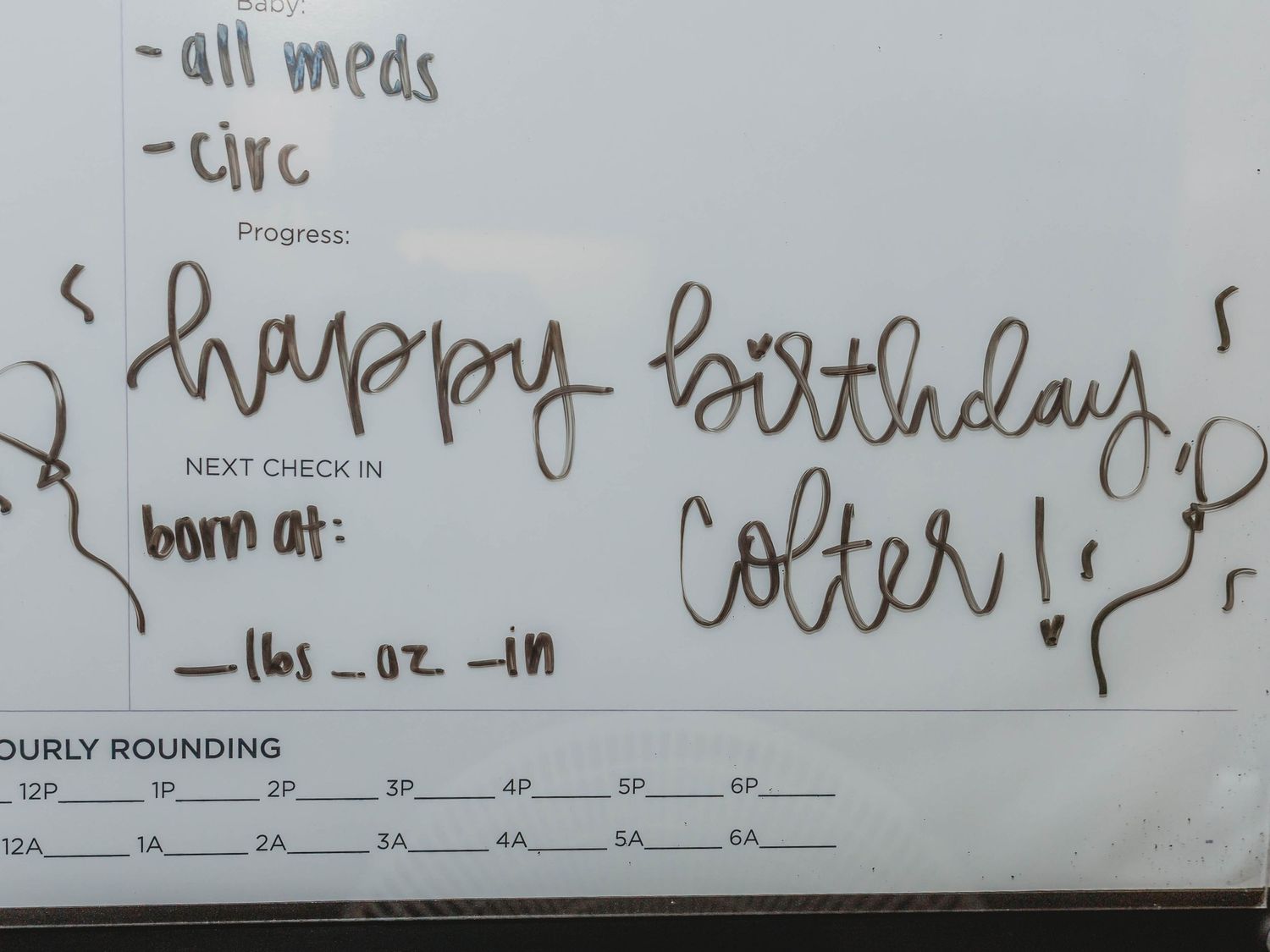
Before the Birth: Arrival and Prep
An Early Morning Arrival
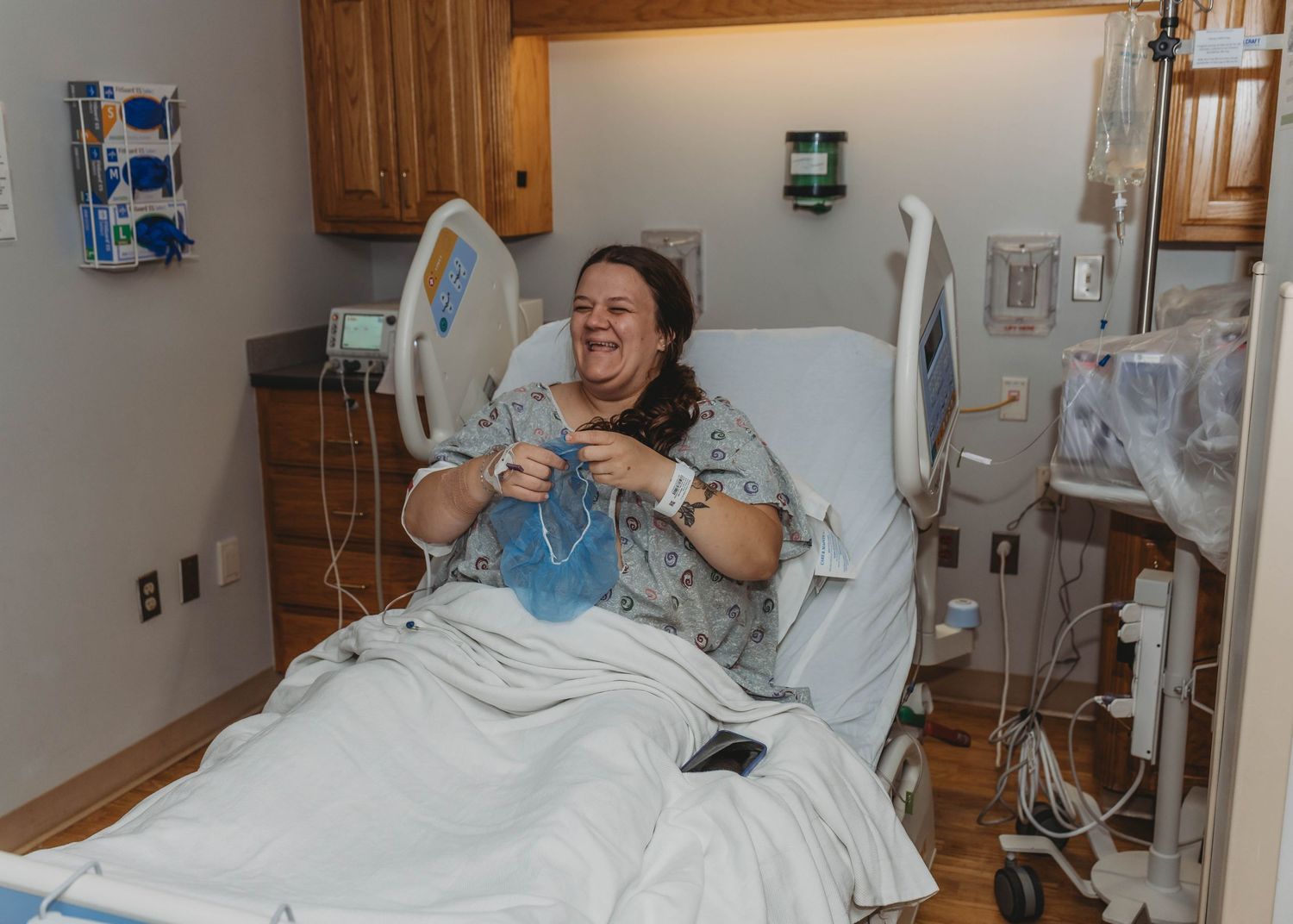
My client arrived early in the morning. She was tired, thirsty, and hungry (no food or water
beforehand, so your provider will give you exact instructions), but so ready to meet her little
boy. This was her second c-section, but her first was urgent, so a scheduled one was brand new
to her.
I got there shortly after she did so I could be debriefed on the plan and sign any paperwork. Her
doctor, Dr. Bond at Claremore Hillcrest, is calm and collected, and he explained exactly how
everything would work. That made a world of difference for her.
The Hallway Wait
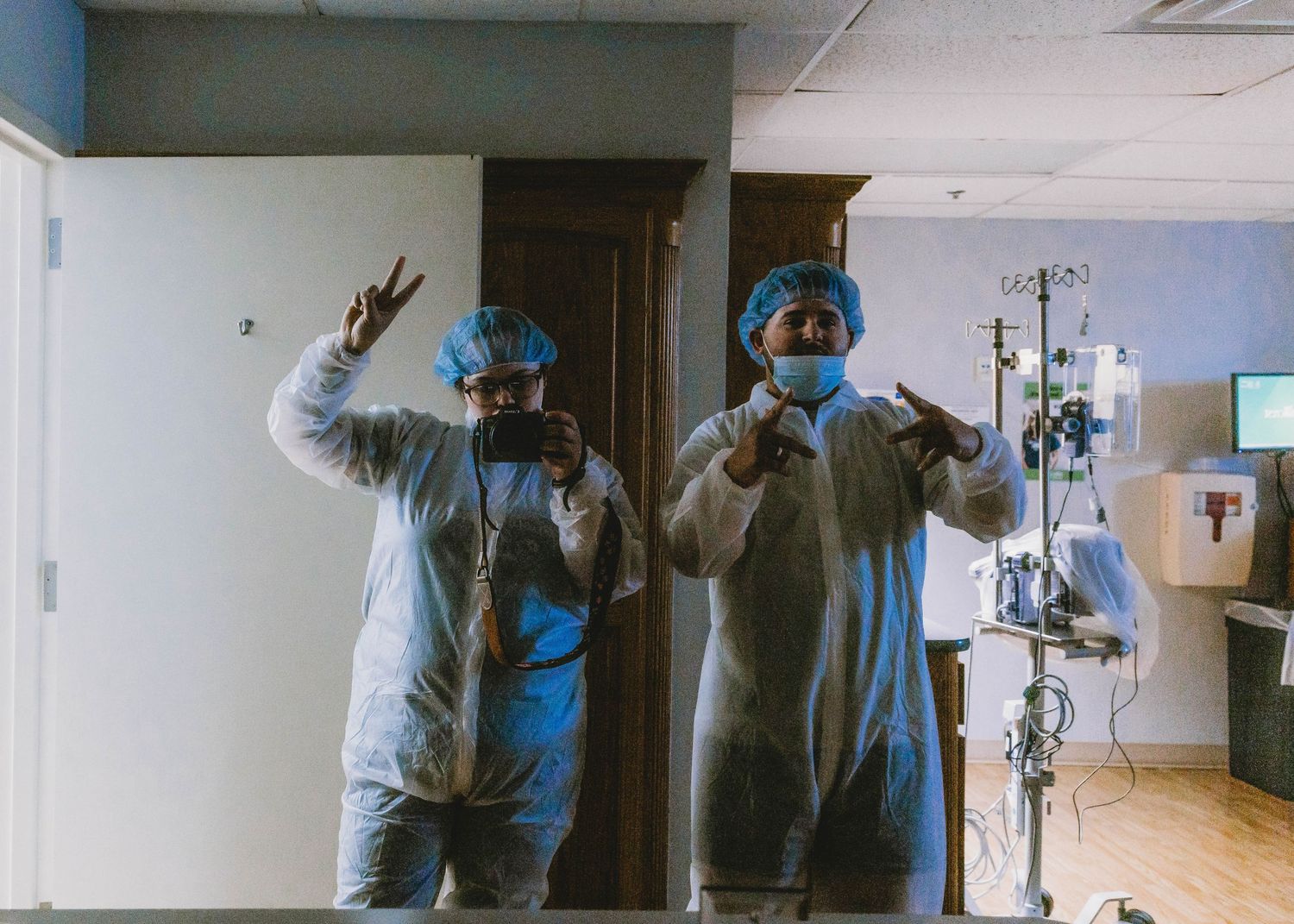
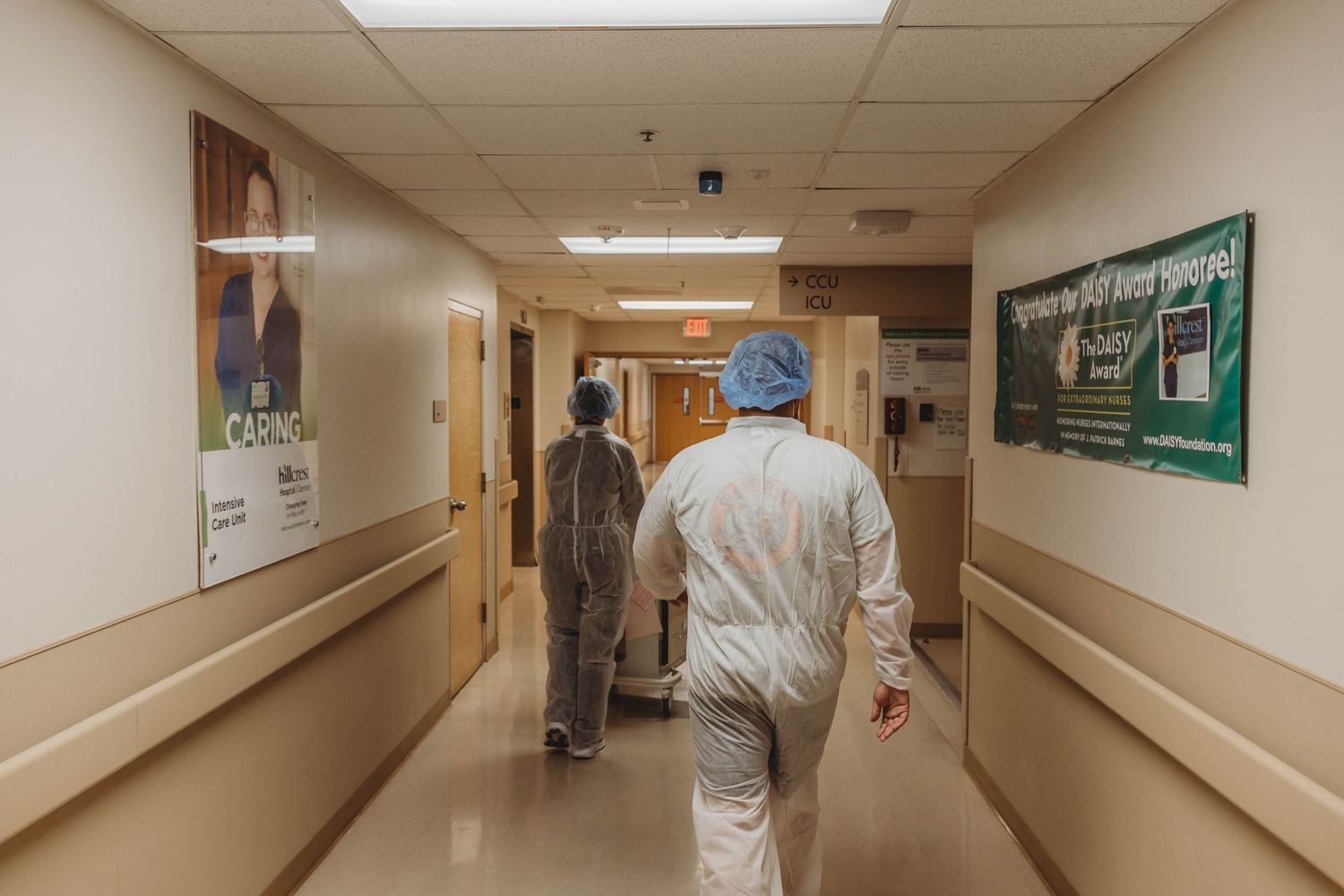
When it was time, she was wheeled back while her spouse and I waited in the hallway until the
team was ready for us. Here's what happens during that wait.
Your Spinal Block
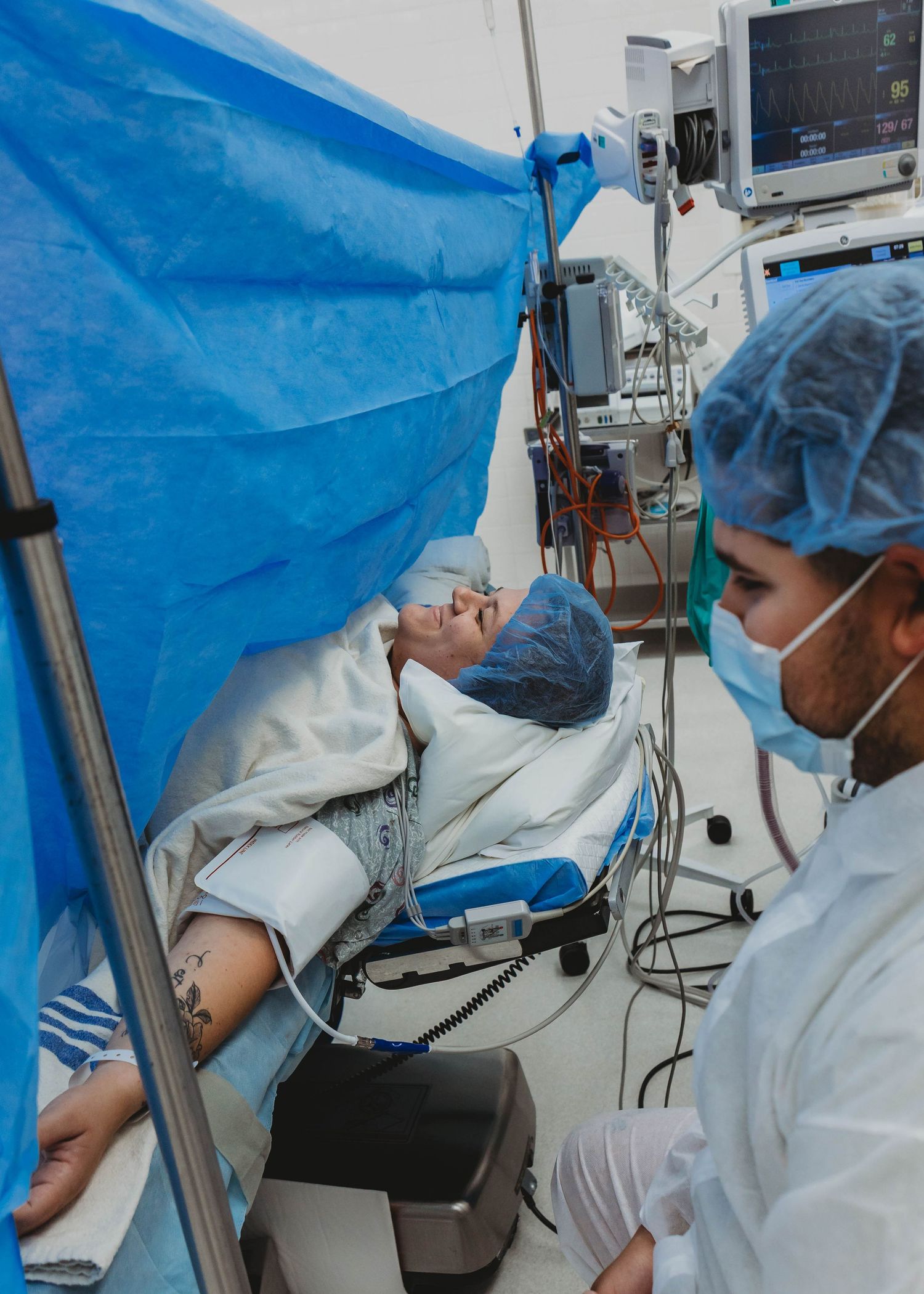
A spinal block is numbing medicine placed in your lower back. It numbs you from the chest
down, and you stay awake for the whole birth.
In some cases, your doctor will recommend general anesthesia in this case you will be put all the way to sleep and no one is allowed back with you.
The Catheter and Positioning
Once you're numb, you lie back on the table and a Foley catheter is placed to keep your bladder
empty. Your legs are gently strapped to the table so you stay still.
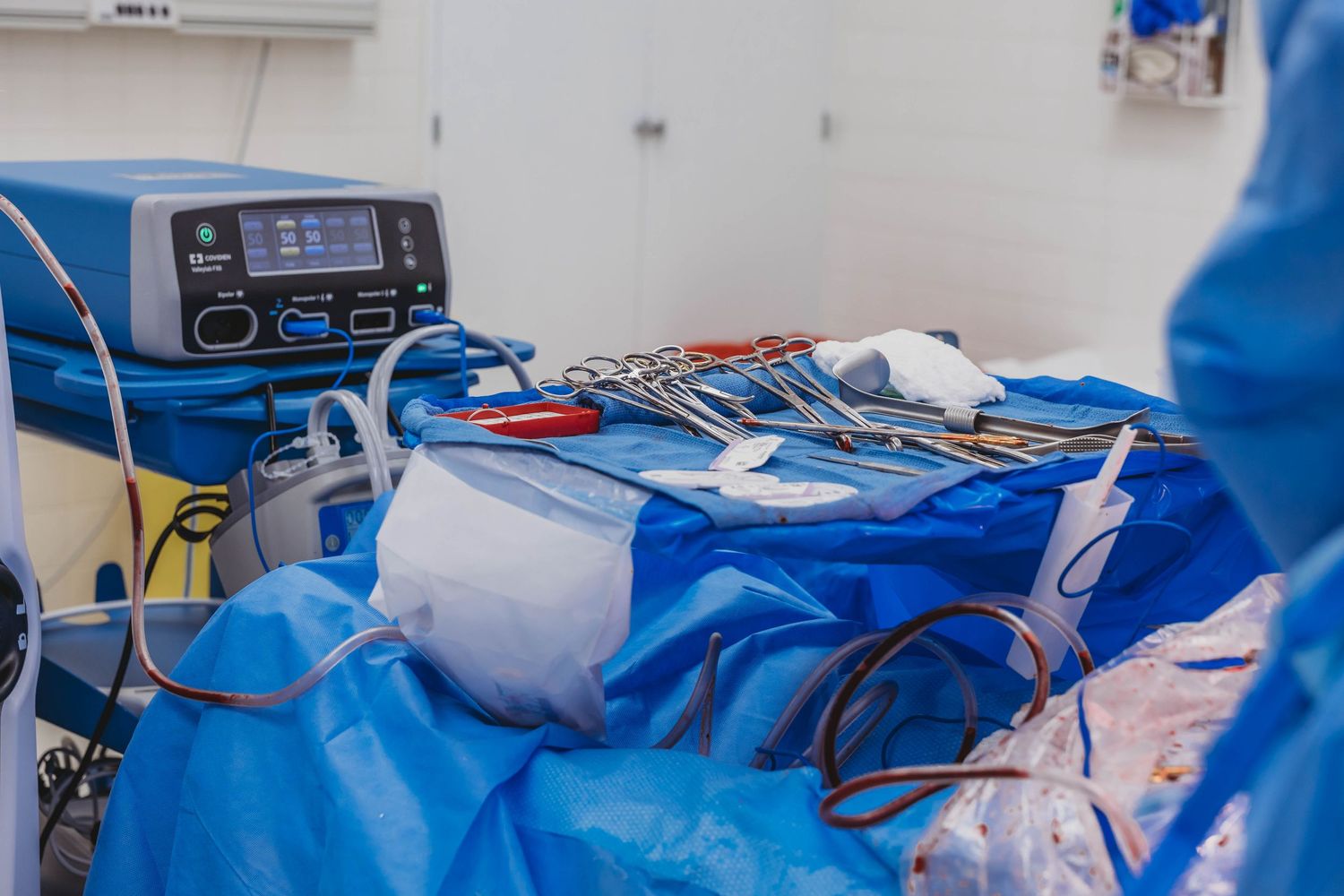
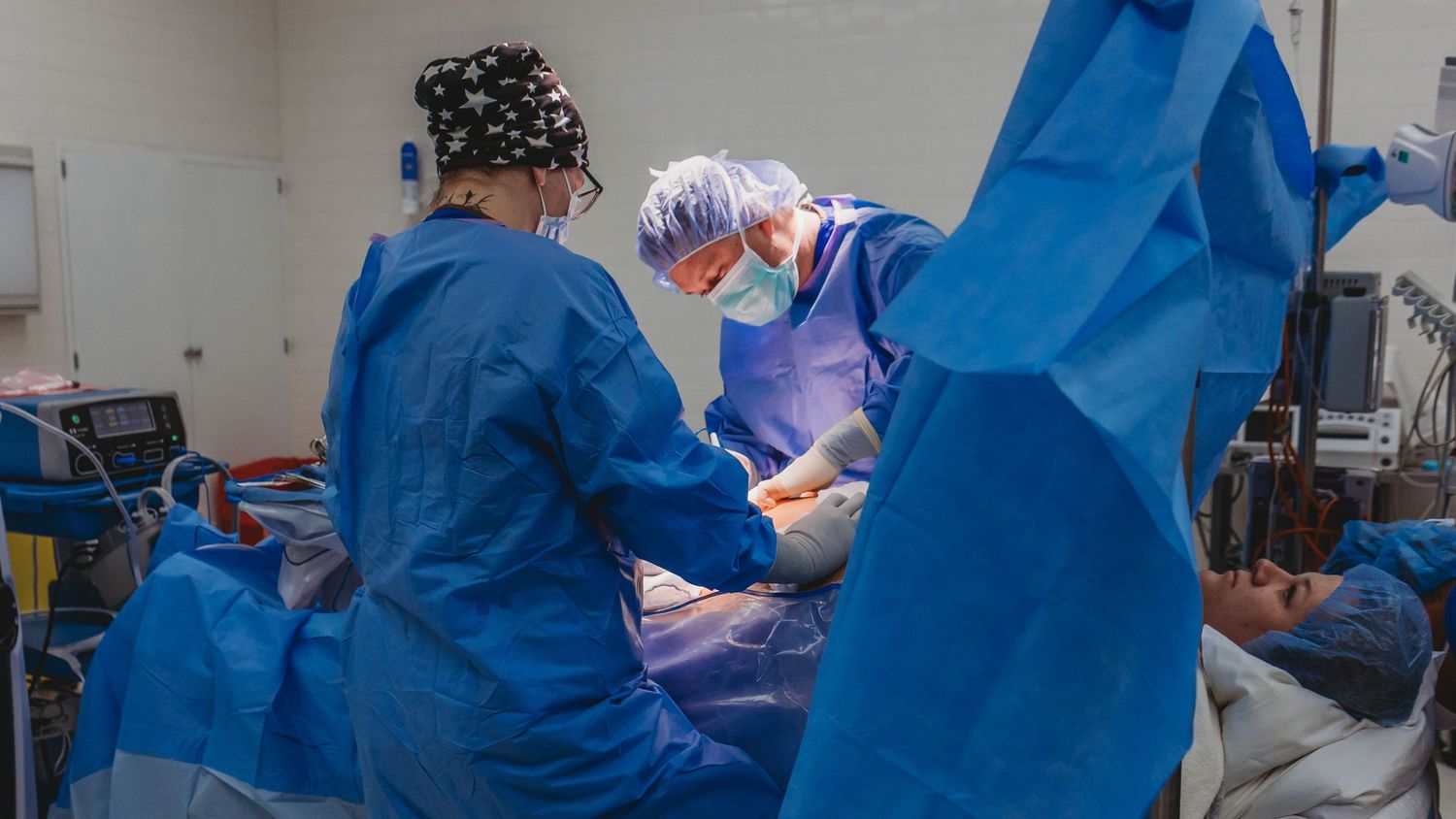
The Drapes and Sterile Prep
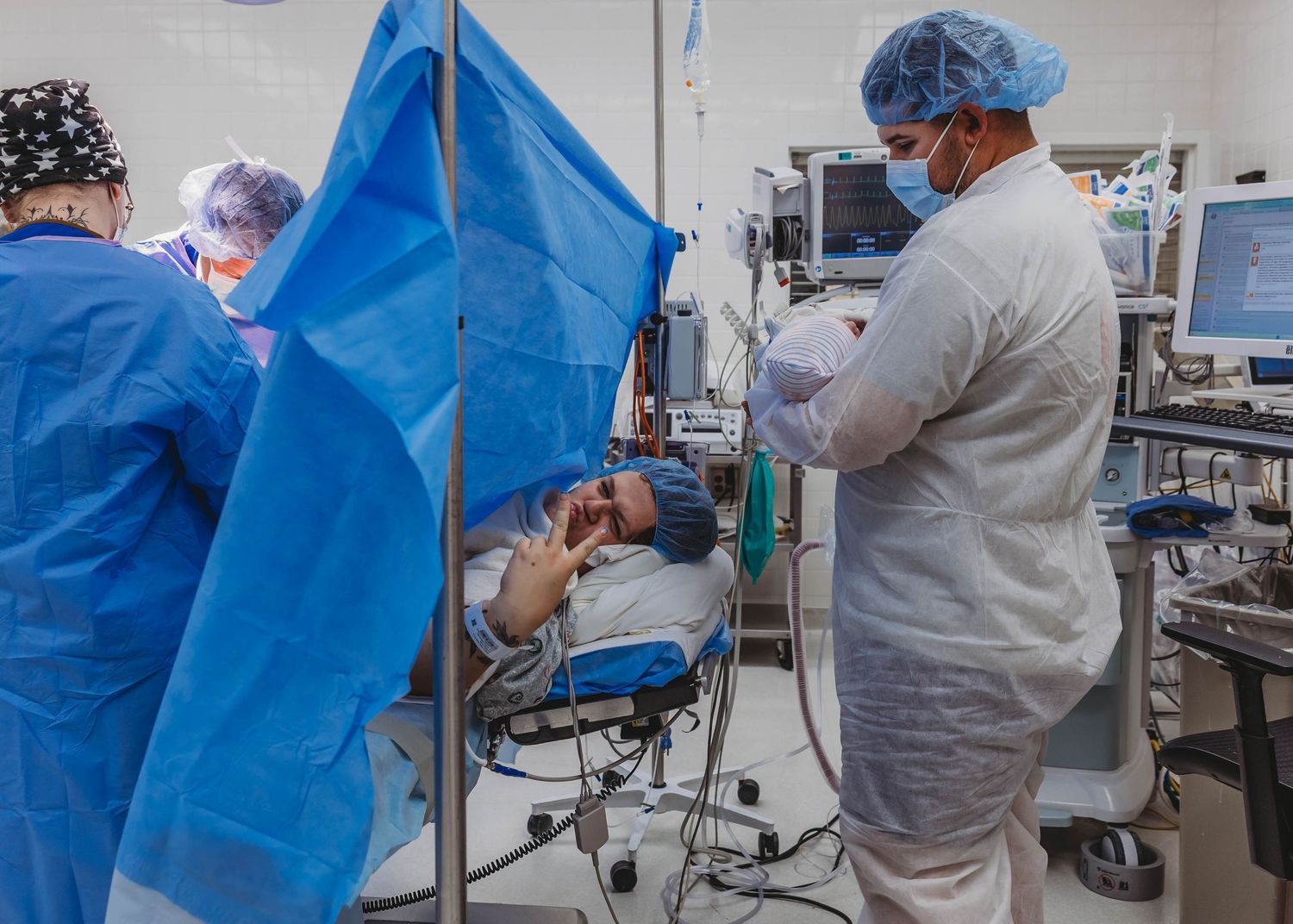
Next, the drapes go up. One side is clear and the other is blue, so you and your spouse don't see
more than you want to, and the area stays sterile. Your belly and the surrounding skin are
cleaned, and a layer of sterile plastic goes on. Then they're ready to begin!
During the Birth
Your Support Person (and Your Photographer)
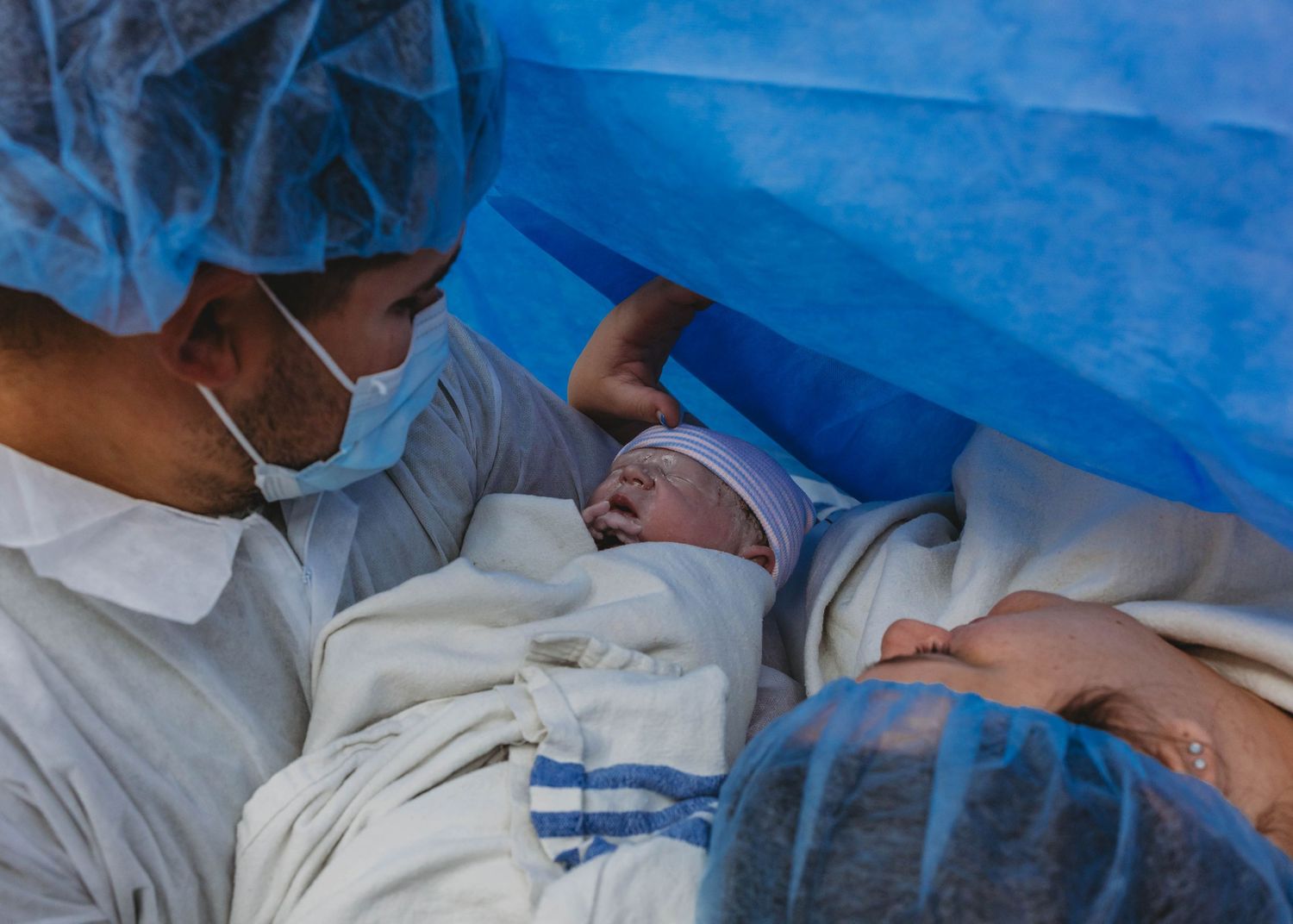
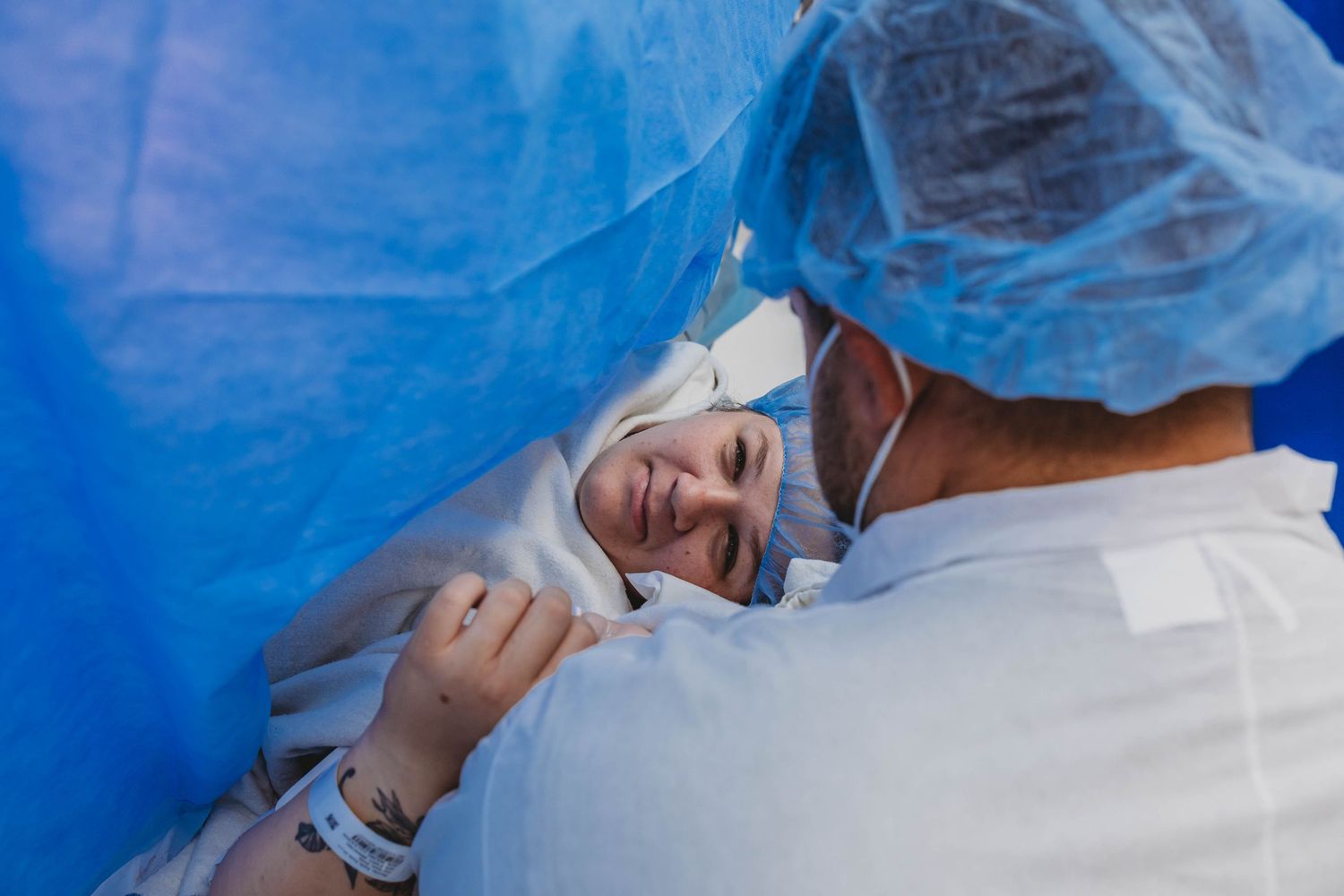
Once the team is ready, your spouse or support person comes in and sits by your head. I'm
allowed in too, and I can move around the room freely. (Some hospitals and doctors don't allow
that, so ask about photography policies ahead of time.) I'm watching for emotions, tiny
moments, and the whole birth start to finish. I never want to miss a thing.
My client had picked the best playlist, all pop throwbacks, and we were jamming while we
waited to meet this boy.
Meeting Baby
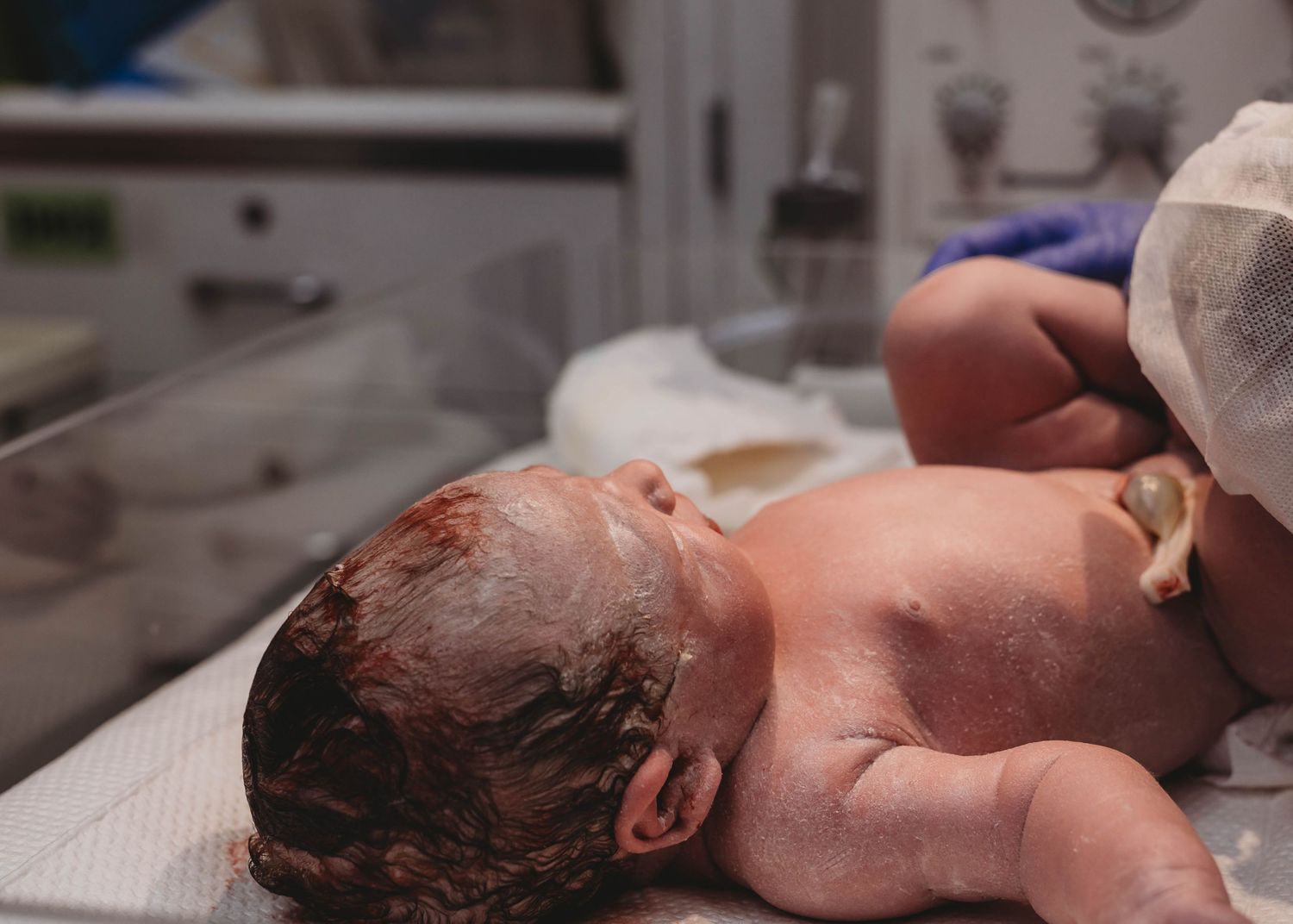
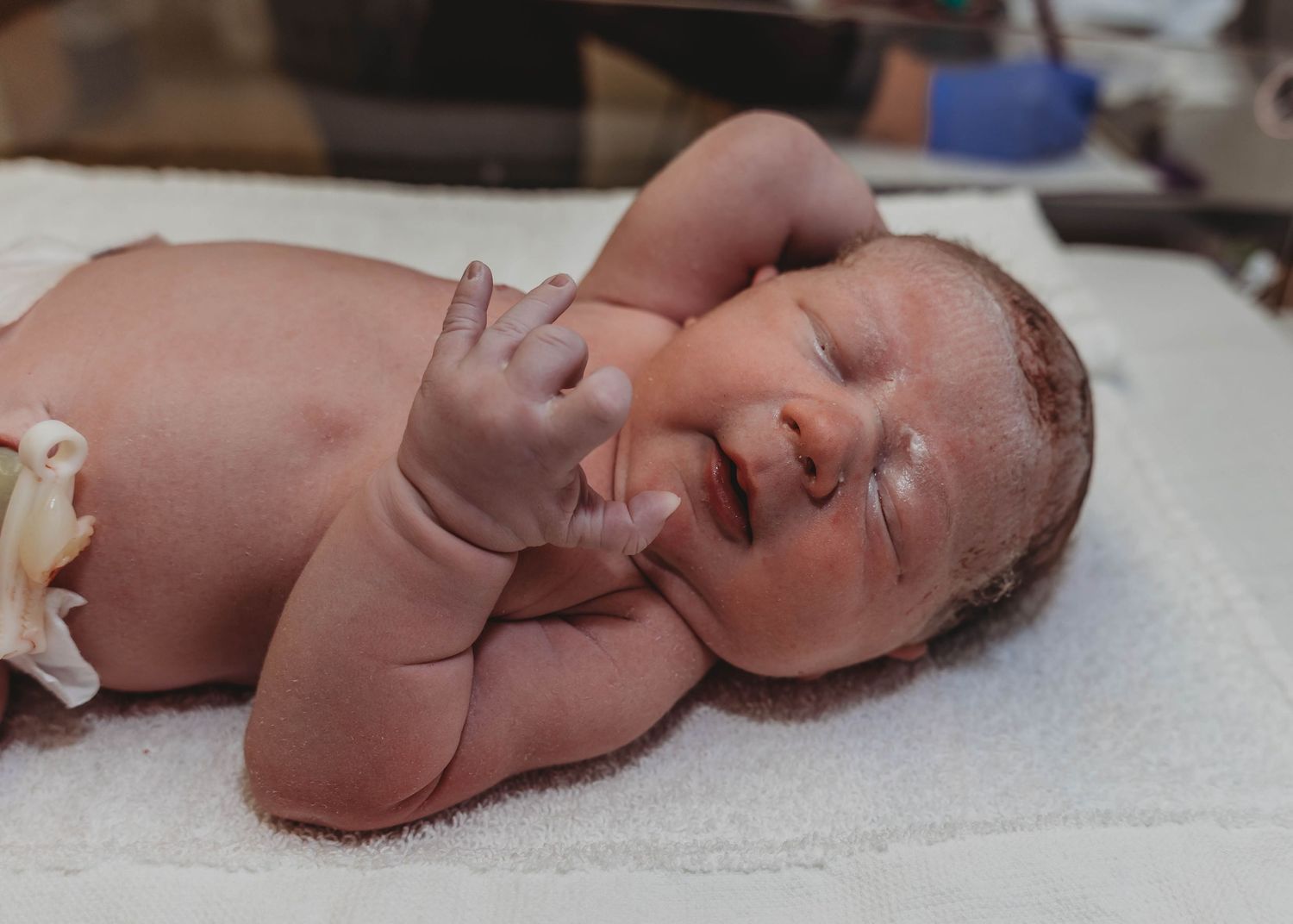
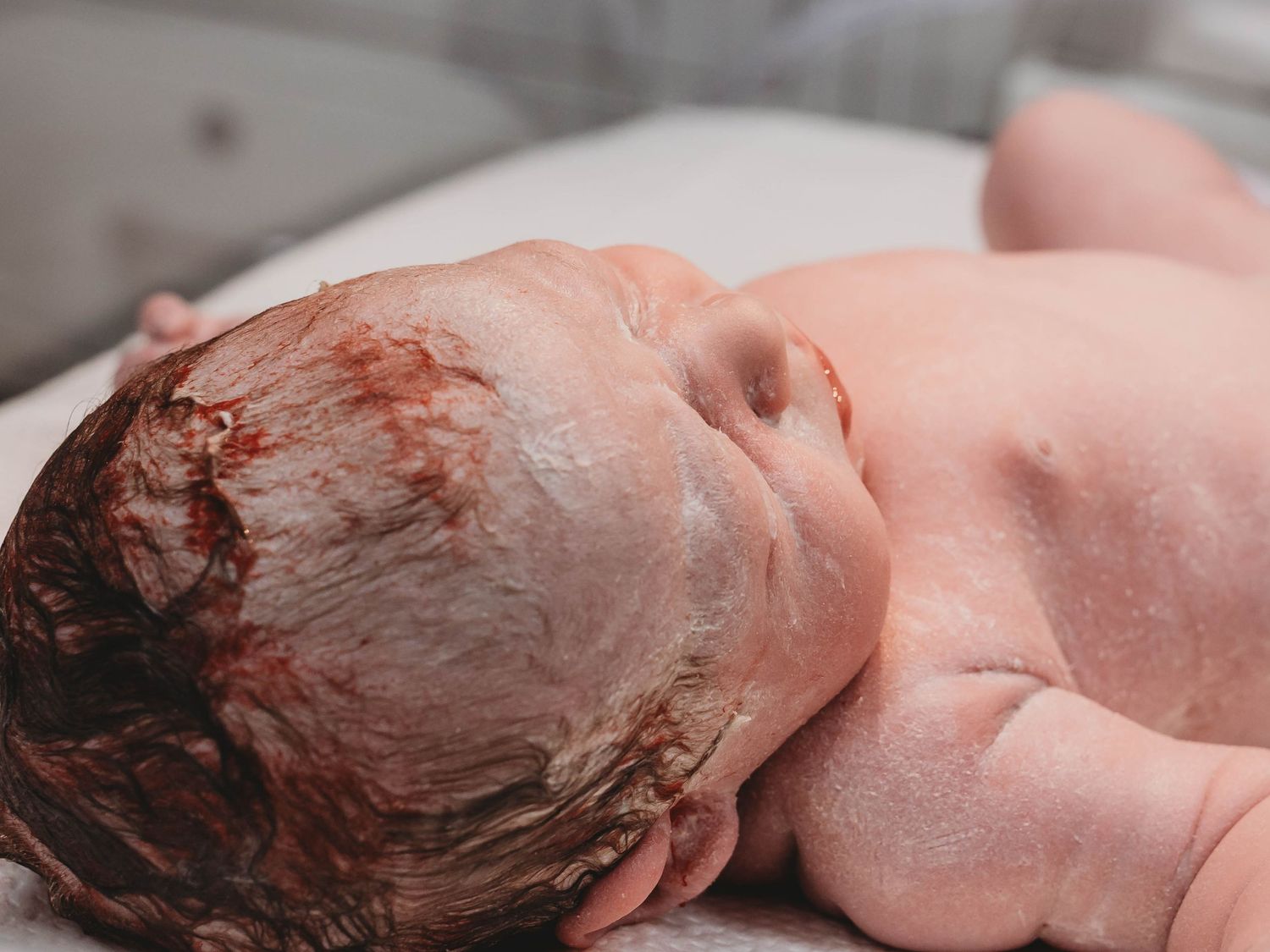
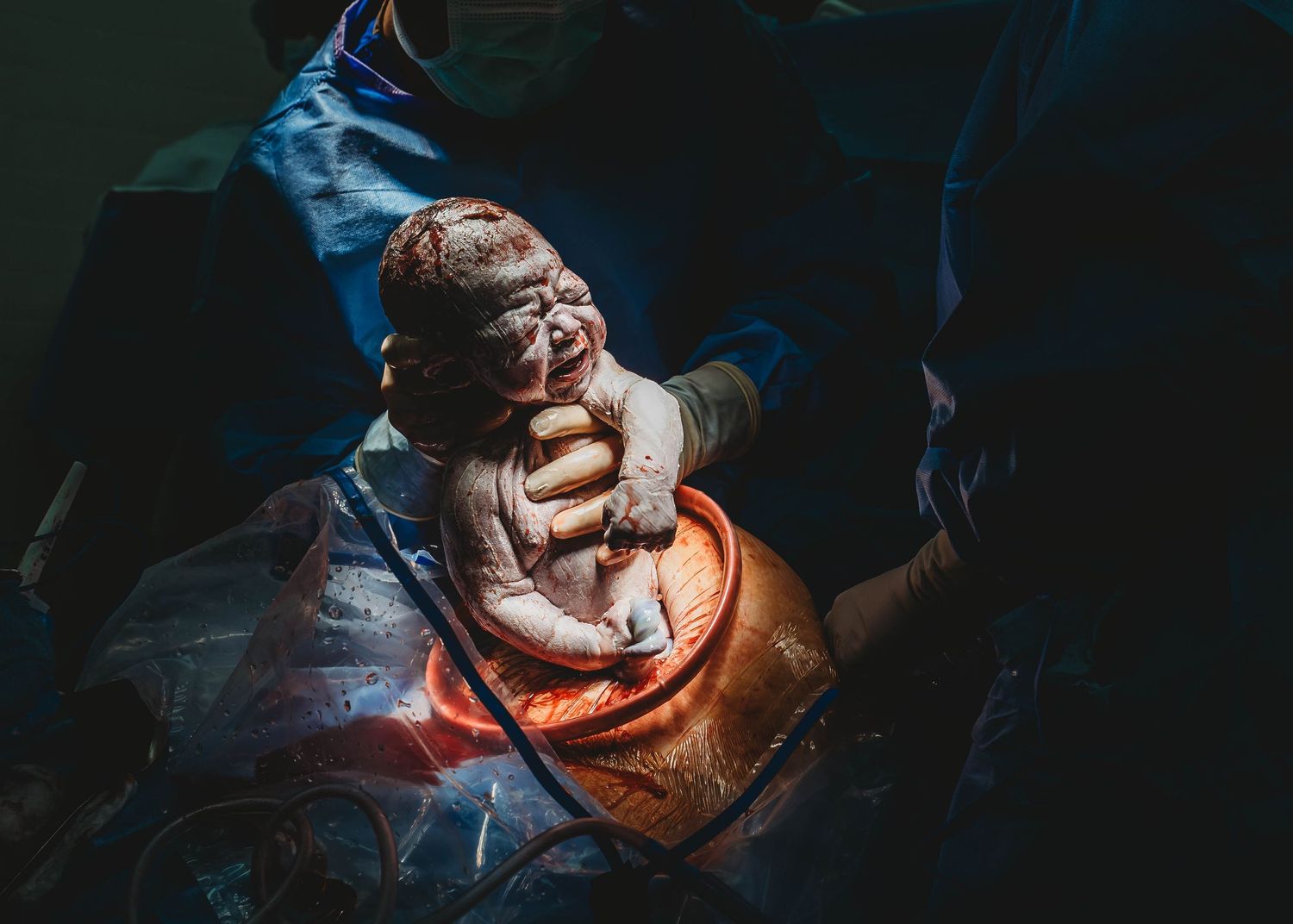
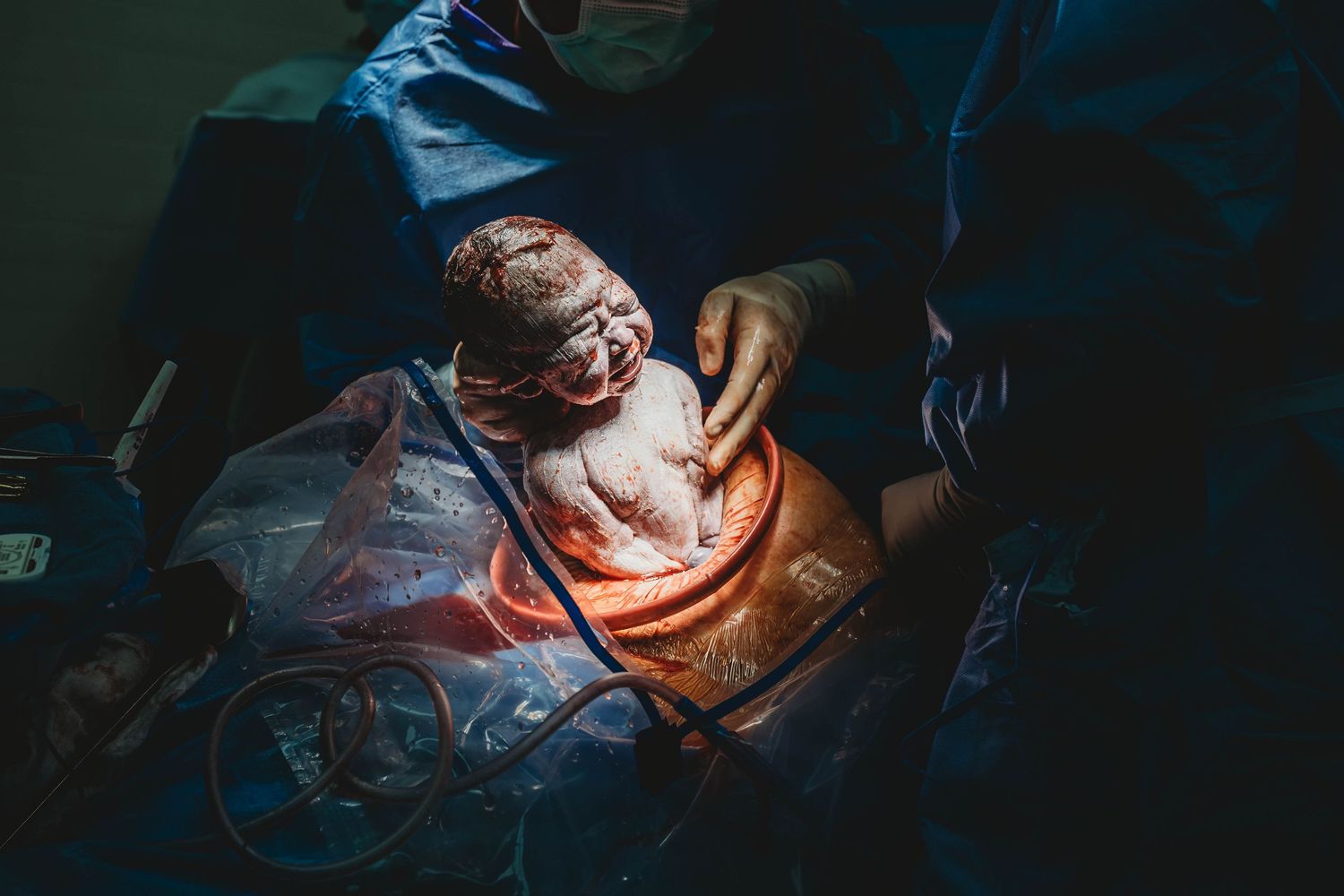
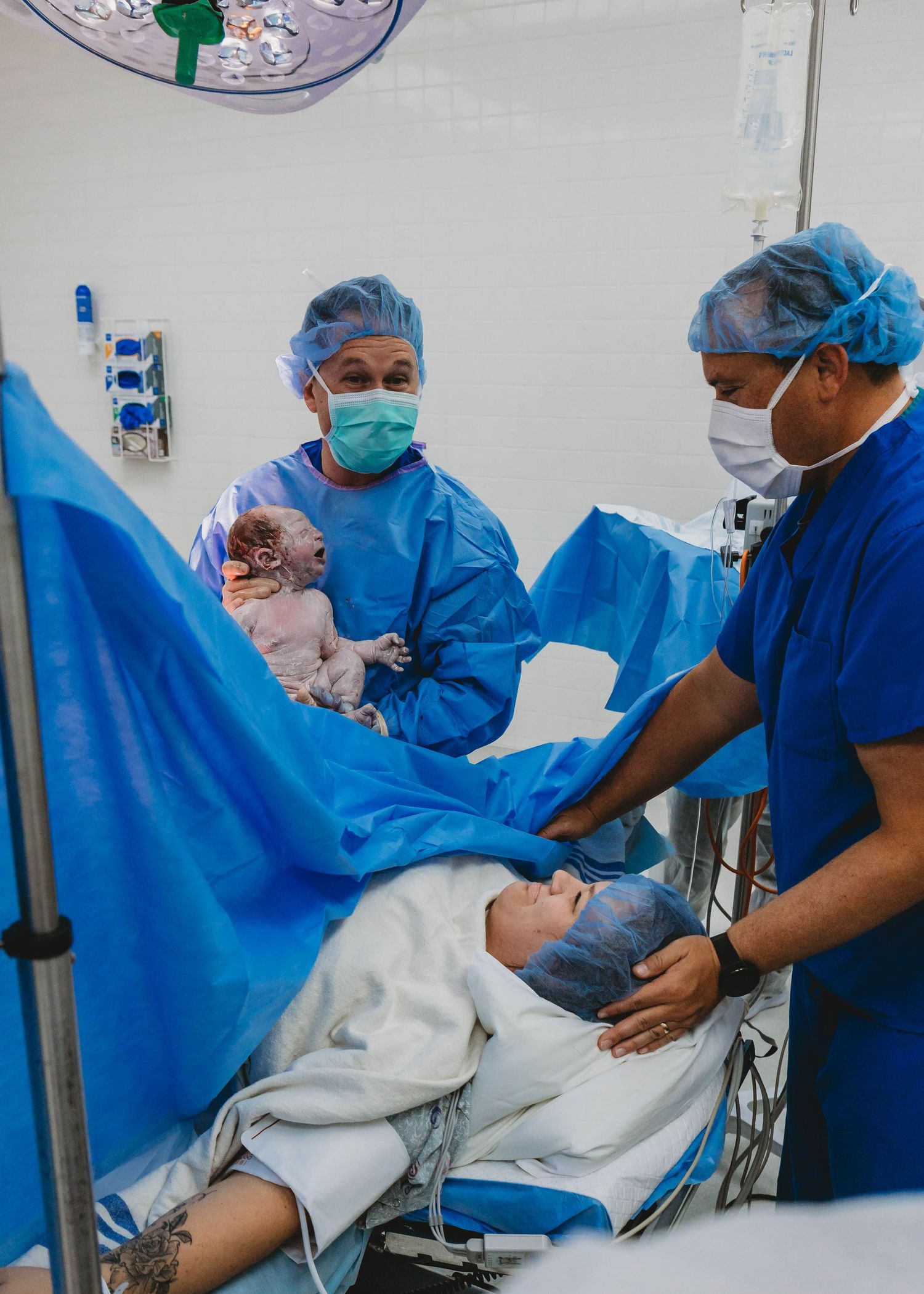
Before we knew it, Dr. Bond was lifting out a baby with a big, beautiful head of dark hair!
The Snug Squeeze
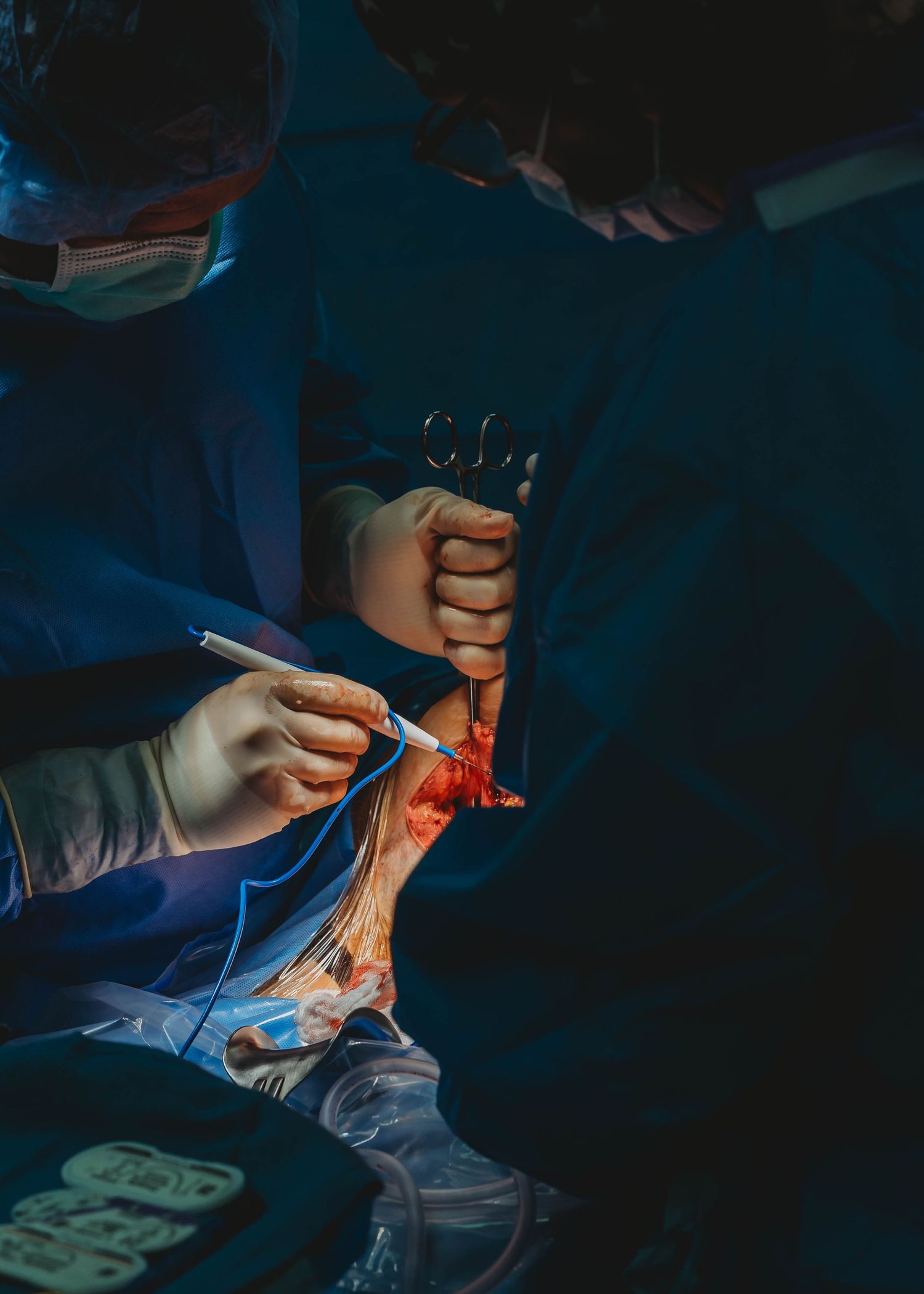
The incision is usually about 4 to 6 inches, so getting baby out can be a tight squeeze. That's
intentional, and here's the cool part: a nurse will press on the top of the uterus to mimic
the final push of labor, which helps clear fluid from baby's lungs.
The Placenta and Stitches
After baby arrives, the placenta (also called the afterbirth) is delivered, and your team stitches
you up layer by layer. Seven layers to be exact!
Baby's First Check
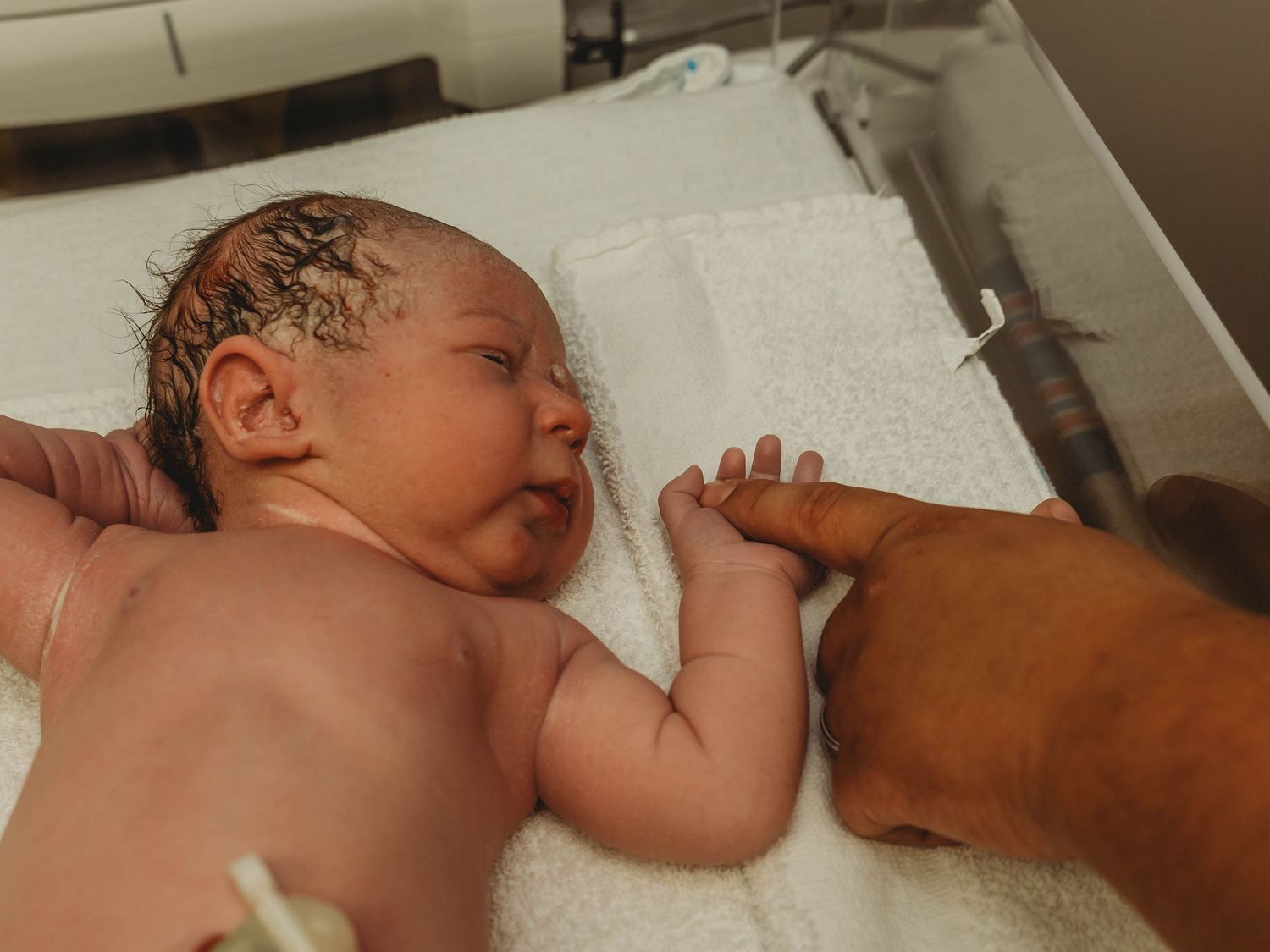
While that's happening, baby goes to the warmer for a quick exam and weight, and sometimes
all the measurements. A NICU team or extra nurses (depending on the hospital) are always on
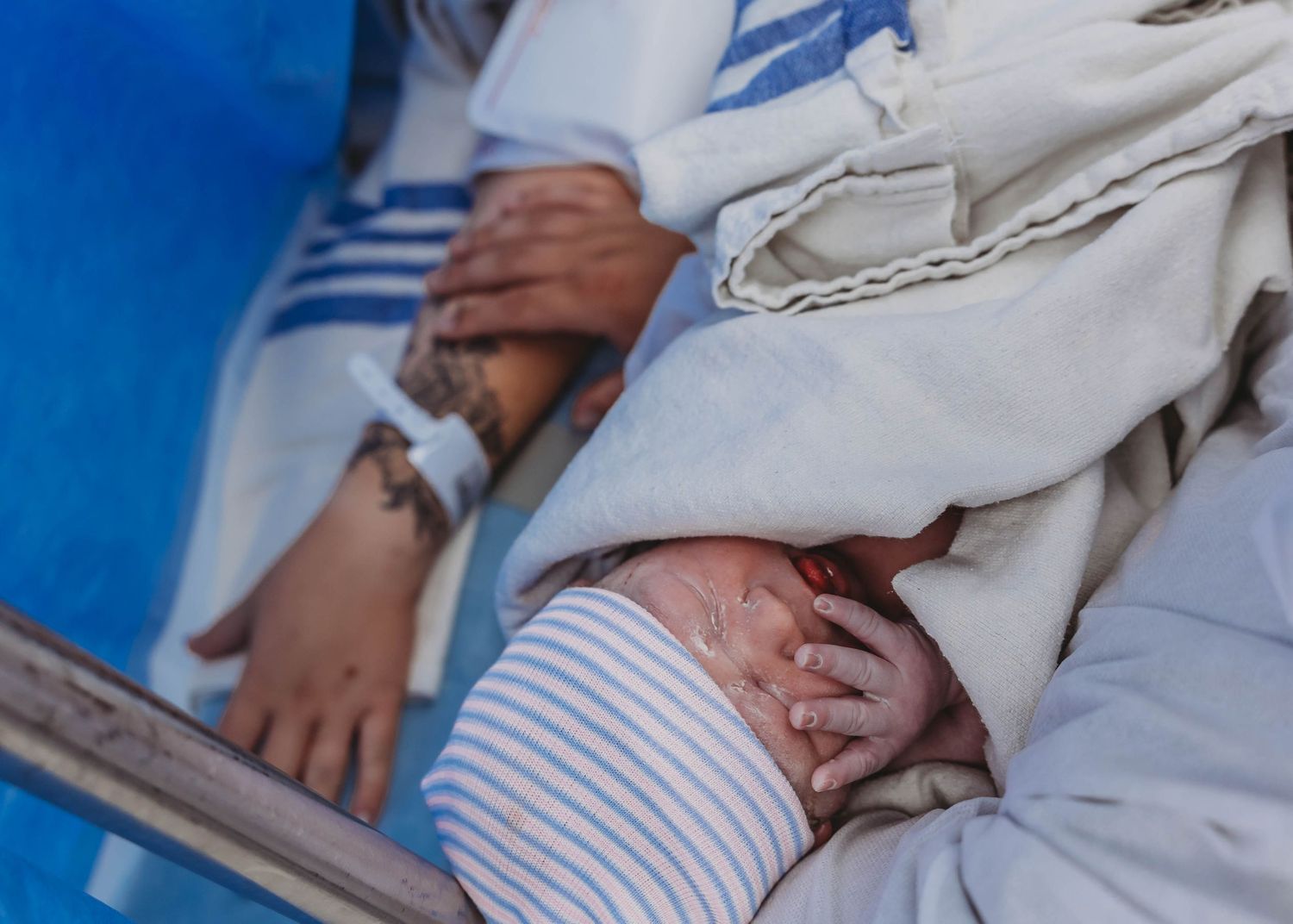
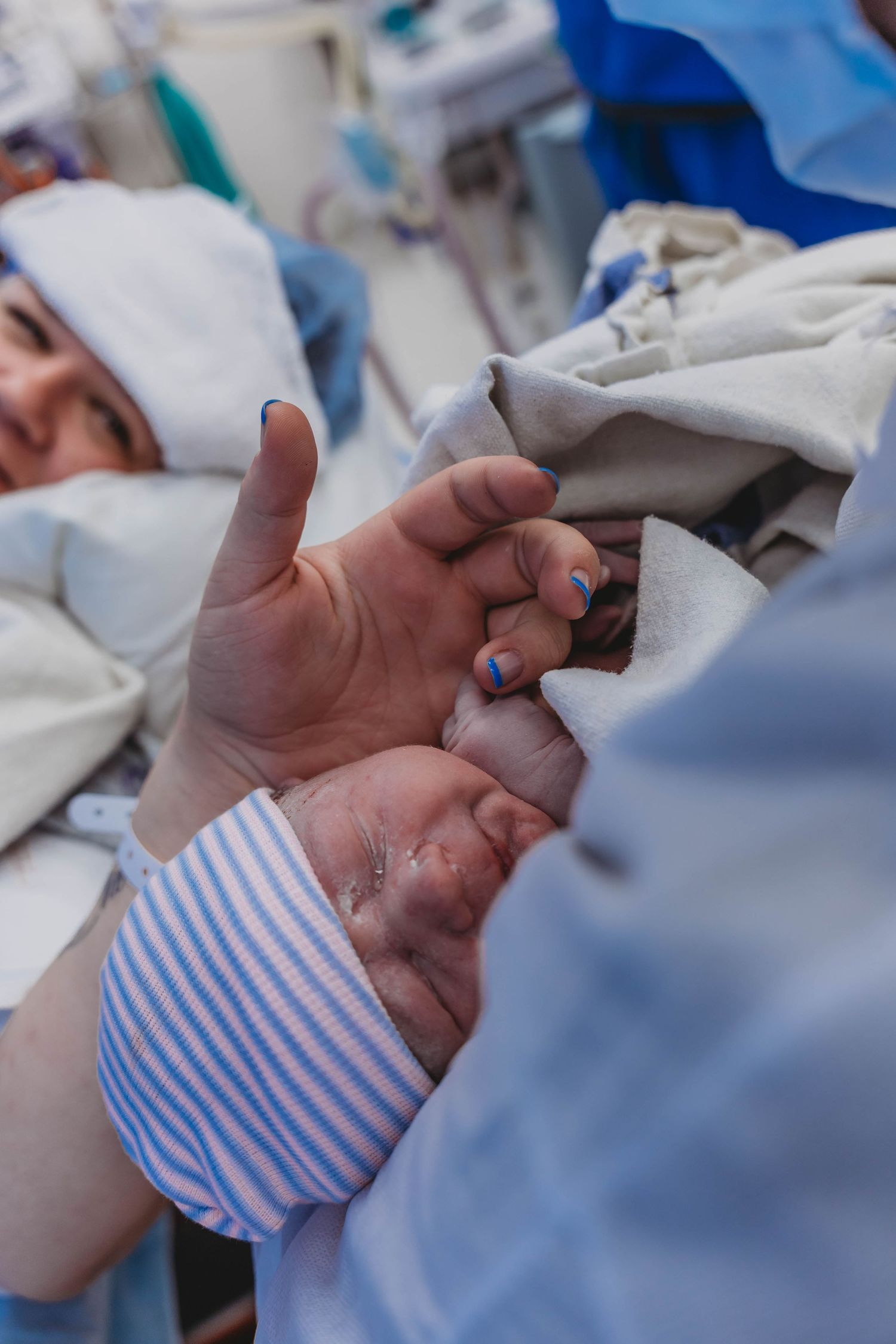
standby in case baby needs help. He didn't, so dad scooped him right up and brought him over
to mom while the team finished. Everyone was in love and relaxed, just waiting for the last
stitch and bandages.
Recovery
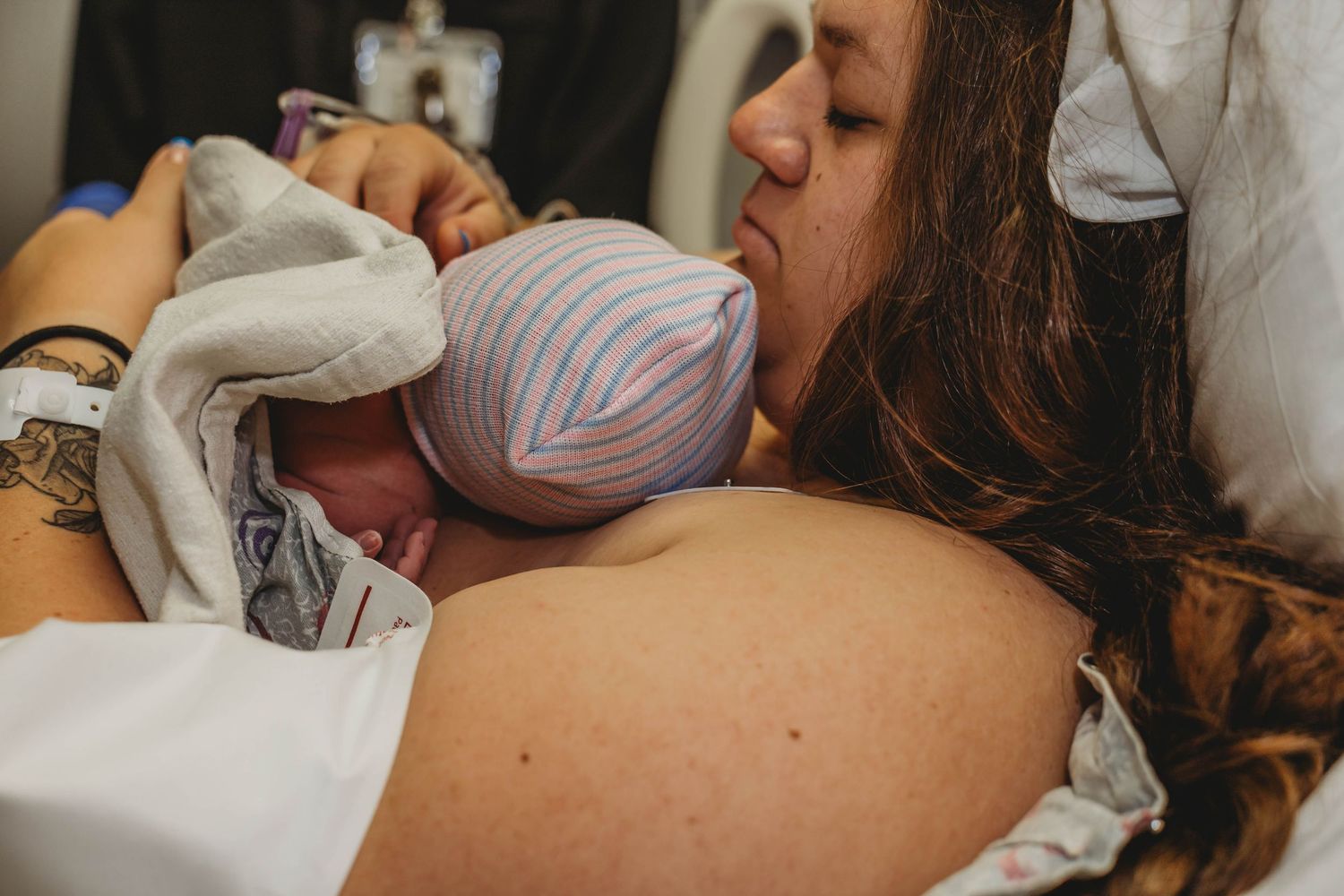
The Golden Hour
After a c-section, you'll usually spend two to three hours in recovery so the team can monitor
for bleeding and watch baby closely. I'm still with my clients during this time, being a fly on the
wall to capture first latches and all those baby snuggles without disturbing you. Once I have
what I need, I say a quick goodbye and head out.
Fundal Massages
Every 15 minutes or so, a nurse will do a fundal massage. That means pressing and massaging
your fundas (top of your uterus) to help your uterus tighten and keep bleeding under control. It's so necessary, and it's
also uncomfortable, so don't be afraid to tell your nurse how you're feeling.
Going Home
Depending on your provider and hospital, you could be there anywhere from one to five days.
This momma was home by day two.
Final Thoughts
A c-section can feel big and unknown, but it's a calm, carefully choreographed birth, and you're
never alone in it. From the hallway wait to the golden hour, there are so many sweet moments
you'll want to remember. If you're planning a c-section in the Tulsa area and want those
moments captured, I'd love to be in the room with you and be that extra person on your team rooting you on. Book your complimentary birth consultation today and lets chat about your birth.